Your bag of Ethiopian beans arrived stamped with a roast date two months old. Coffee starts fading within days of roasting, so by the time it reaches your grinder, the jasmine and bergamot notes you paid for have gone flat.
That is why roast-to-order matters, and why we compared roasters on origin transparency, processing method and freshness. You will learn what separates a great African coffee roaster from an average one, how to match roast level and brew method to Ethiopian, Kenyan and Tanzanian beans, and which roaster earns our top pick.
What to Look For in African Coffee Roasters
Shopping for African coffee is different from buying a generic bag of beans. The details on the label tell you almost everything about what's in your cup.
East Africa is one of the most exciting coffee regions in the world. Ethiopia, Kenya and Tanzania sit along the coffee belt, and each country brings its own character to arabica. But not every bag labeled "African" is equal.
This article uses three simple criteria to evaluate coffee roasters: origin transparency, processing method and roast freshness. The next section breaks down exactly what to look for on each one.
Origin Transparency, Processing Method and Roast Freshness
A great African coffee roaster should tell you the country, region, and often the washing station or cooperative behind your beans. Not just "Ethiopia" on the front of the bag.
Origin transparency means naming the place. In Ethiopia, that could be Yirgacheffe, Sidamo, Guji, Harrar or Limu. In Kenya, look for Nyeri, Kirinyaga, Kiambu or Murang'a. In Tanzania, you might see Mount Kilimanjaro, Mbeya or Arusha.
The more specific the label, the more you know about what you're drinking. A named wet mill or cooperative is a good sign. It means the roaster knows the story behind the lot.
Processing method changes flavor in a big way. Washed process coffees tend to be clean and bright, with vivid acidity and clear fruit notes. Natural, sun-dried process coffees are fruitier and heavier, often with berry or wine-like flavors.
Neither is better. They are just different, and knowing which one you're holding helps you pick a cup that matches your taste.
Roast freshness matters just as much. Look for roasters who roast to order or print a roast date on the bag. Coffee peaks within days to weeks of roasting, then slowly fades.
Here is the difference in practice. A strong label reads something like: Ethiopia, Yirgacheffe, washed process, roasted on a recent date. A weak label just says "African coffee" with no region, no process and no roast date.
That weak label isn't a crime. It just leaves you guessing about origin, flavor and freshness all at once.
1. Kochere Coffee - Best Overall
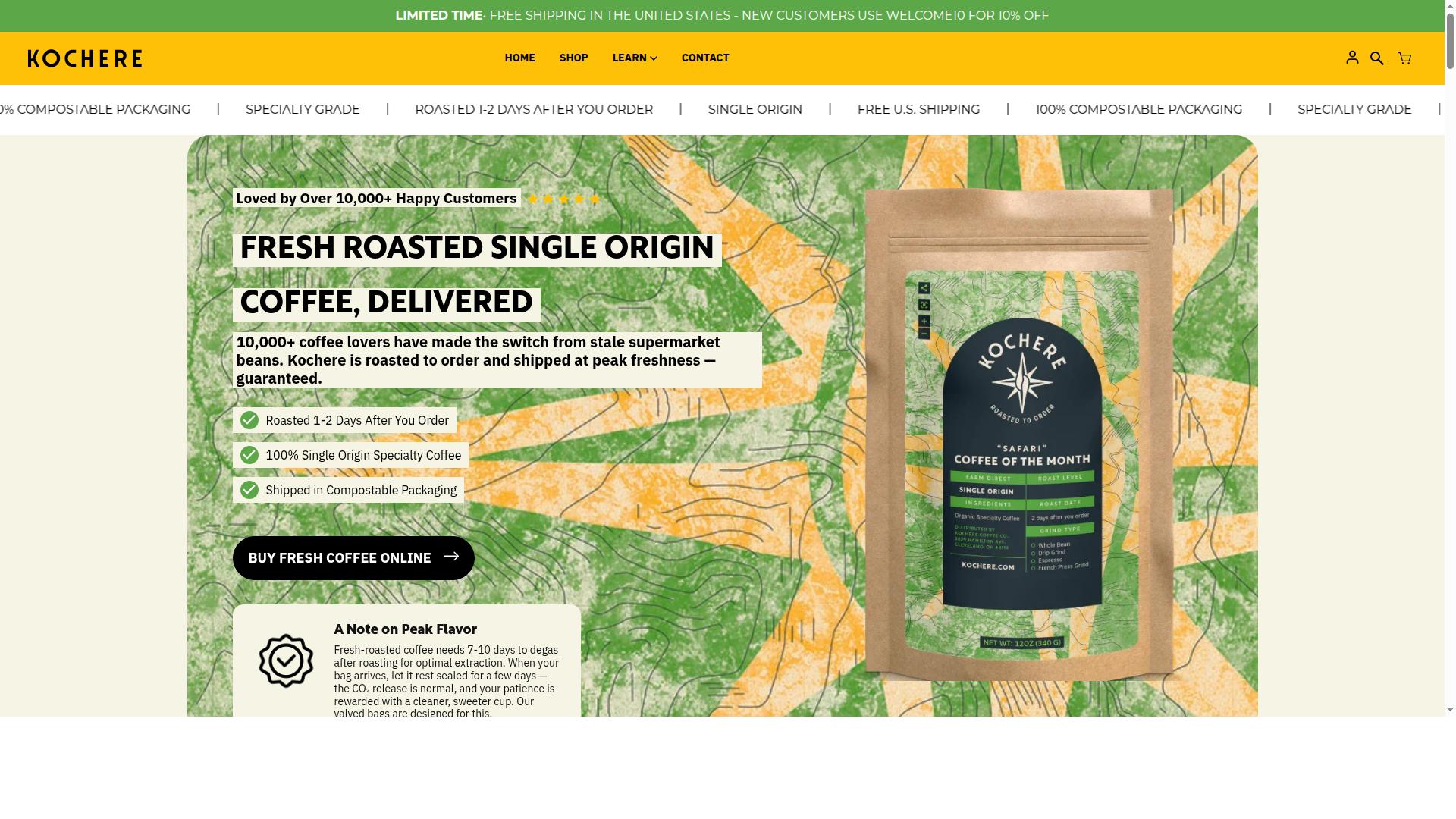
Kochere Coffee earns the top spot because it roasts every bag only after you order it, so the coffee that arrives at your door is days, not months, from the roaster. Nothing waits on a shelf.
This is a roast-to-order specialty roaster focused on single-origin coffee from Ethiopia, Kenya and Tanzania, the heart of East Africa's growing regions. Every lot is cupped and scored by certified Q Graders using the SCA protocol.
The company describes its coffees as specialty grade, the top 3% of the world's coffee. For African coffee lovers, that focus shows up in the cup.
Roasted-to-Order Ethiopian, Kenyan and Tanzanian Single Origins
Kochere's lineup reads like a tour of East Africa's best growing regions, with each coffee roasted to order and shipped the same day it leaves the roaster. Open a bag and the aroma tells you how recently it was roasted.
The African single origins include:
- Ethiopian Harrar: natural process, medium roast, with berry, honey, chocolate and wild fruit notes from Oromia heirloom cultivars
- Ethiopian Sidamo: natural process, medium-light roast, with milk chocolate, caramel and fruit notes from Sidama Zone heirloom cultivars
- Kenyan Nyeri & Embu: washed, medium-light roast, AB grade, bright and fruity with SL28 and SL34 cultivars
- Tanzanian Peaberry (Mbeya): washed, medium-light roast, with pear, jasmine and strawberry notes from Bourbon and Kent varieties
Each roast profile is chosen to highlight the origin's character. Harrar gets a medium roast to balance its wild fruit notes, while the Kenyan beans take a lighter roast to preserve brightness.
Every lot scores 80 or higher on the SCA scale, cupped and scored by certified Q Graders. One customer put the Harrar experience plainly: the wild fruit and honey notes come through clean, and the freshness is unmistakable.
Bags come in 12 oz, 1 lb, 2 lb and 5 lb sizes, as whole bean or ground for drip, coarse or fine. A Single Origin Sampler lets you taste across the lineup. The core difference is simple: roasted to order, shipped the same day.
2. Counter Culture Coffee
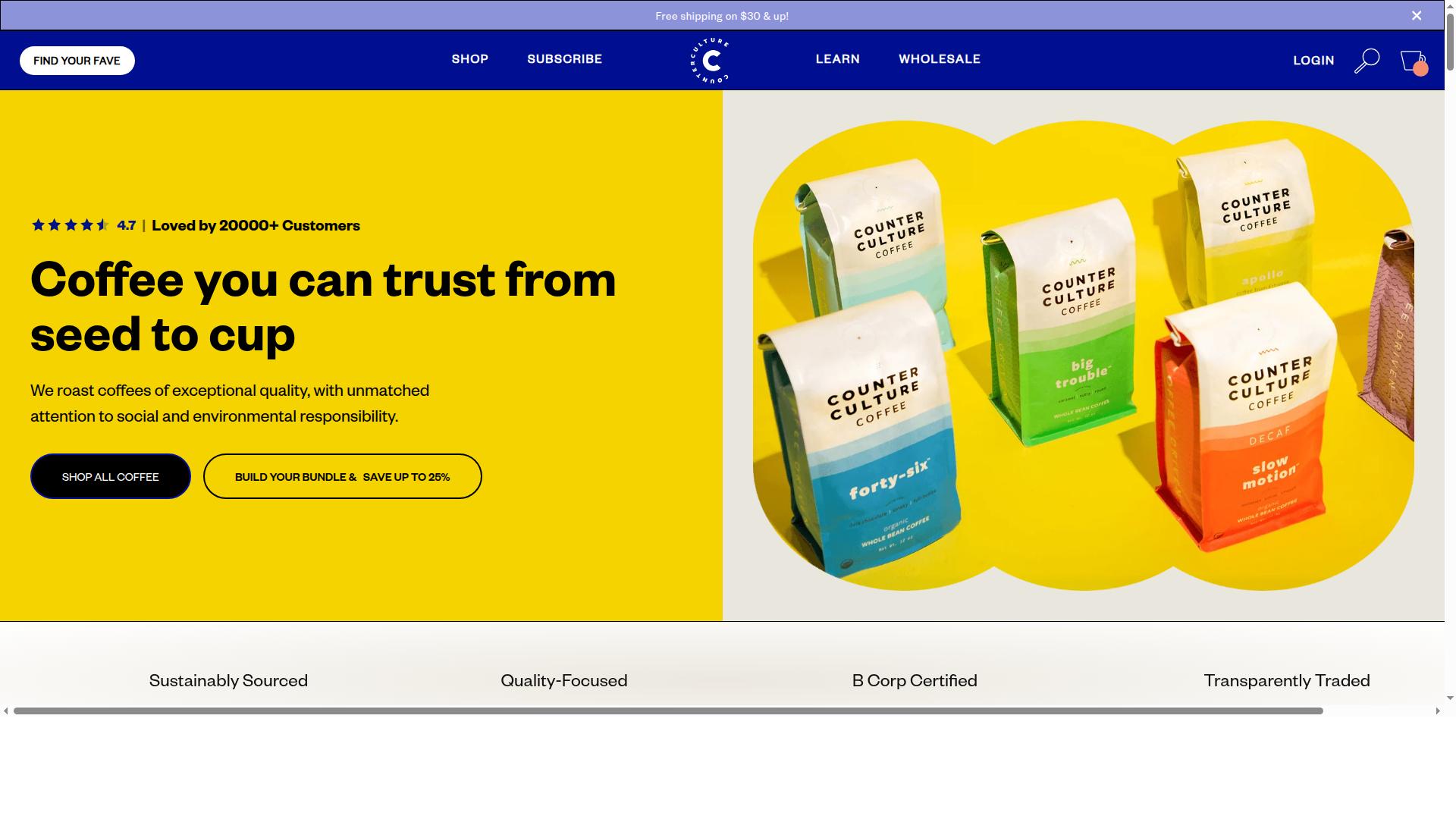
Counter Culture Coffee is a well-known specialty roaster with a broad selection of single-origin coffees, including rotating African offerings. If you want one place to buy beans from many growing regions, this is a name you will run into often.
The company has built a reputation around coffee education and transparency. It shares information about where its coffees come from and how they are handled, which helps you understand what is in your cup. That openness makes it a comfortable starting point if you are still learning to read a label.
Its catalog leans wide rather than narrow. Alongside African lots, you will find blends and single-origin coffees from Guatemala, Colombia, and Honduras, plus decaf options. That range is useful when you want one order to cover several tastes.
African coffees tend to arrive seasonally, so what is available shifts through the year. Expect Ethiopian and Kenyan lots to appear when shipments land, with tasting notes that may include apple, dark chocolate, or sweet almond. If you are chasing a particular Ethiopian beans profile, check back rather than assuming it will always be listed.
Pricing is listed per 250g on some retail listings, with examples ranging from about $11.18 to $20.44 per 250g. One listing shows a single item starting at $16.99. Those figures move with the coffee and the seller, so treat them as a rough guide rather than a fixed menu.
Subscription options and a broad catalog give you a low-effort way to keep beans coming. The trade-off is that freshness depends on the roaster's schedule, not on when you happen to order. If roast-to-order freshness is what you care about most, that is a different model from a wide, always-on catalog, and both have their place in a kitchen.
For anyone exploring the coffee belt one region at a time, Counter Culture works well as a broad sampler. For a single lot you can trace from farm to roast date, you may want a narrower roaster. Neither approach is wrong. It comes down to whether you want variety on the shelf or a specific bean at its peak.
3. Onyx Coffee Lab
Onyx Coffee Lab has built a strong following for its focus on high-scoring specialty coffees and experimental processing methods. Based in Rogers, Arkansas, the roaster was founded on the mantra "Never Settle for Good Enough" and has earned a reputation for competition-grade coffees.
For anyone exploring African coffee, Onyx is a useful stop. The roaster regularly offers Ethiopian beans and Kenyan beans among its rotating single-origin lineup, alongside coffees from Rwanda, Colombia, Ecuador and Indonesia.
That wide sourcing gives you a way to compare East Africa against other origins in the same shopping cart. If you want to taste how a washed Kenyan bean differs from a natural Ethiopian one, a roaster with both on the shelf makes that side-by-side easy to set up.
Onyx roasts with solar energy and cups every batch for quality, which speaks to a careful approach behind the counter. The company also sells signature blends such as Eclipse, Geometry, Monarch, Southern Weather and Tropical Weather, plus instant coffee and specialty teas.
Its single origin, espresso, cold brew and decaf beans are available on Amazon, where bags start at $18. That makes it a convenient pick if you already shop there and want to add an African single-origin coffee to your order.
A few things to keep in mind as you browse:
- Rotating menu: African offerings change with the season, so the exact lot you see today may not be there next month.
- Processing focus: The roaster leans into experimental methods, which can mean brighter, more unusual cup profiles than a classic washed lot.
- Brew method: The lineup suits pour-over fans and espresso drinkers alike, so you can match the bean to how you brew at home.
If you like to follow a roaster's craft and try limited lots as they appear, Onyx is worth watching. Just check the current origin list before you order, since Ethiopian and Kenyan selections come and go.
4. Intelligentsia Coffee
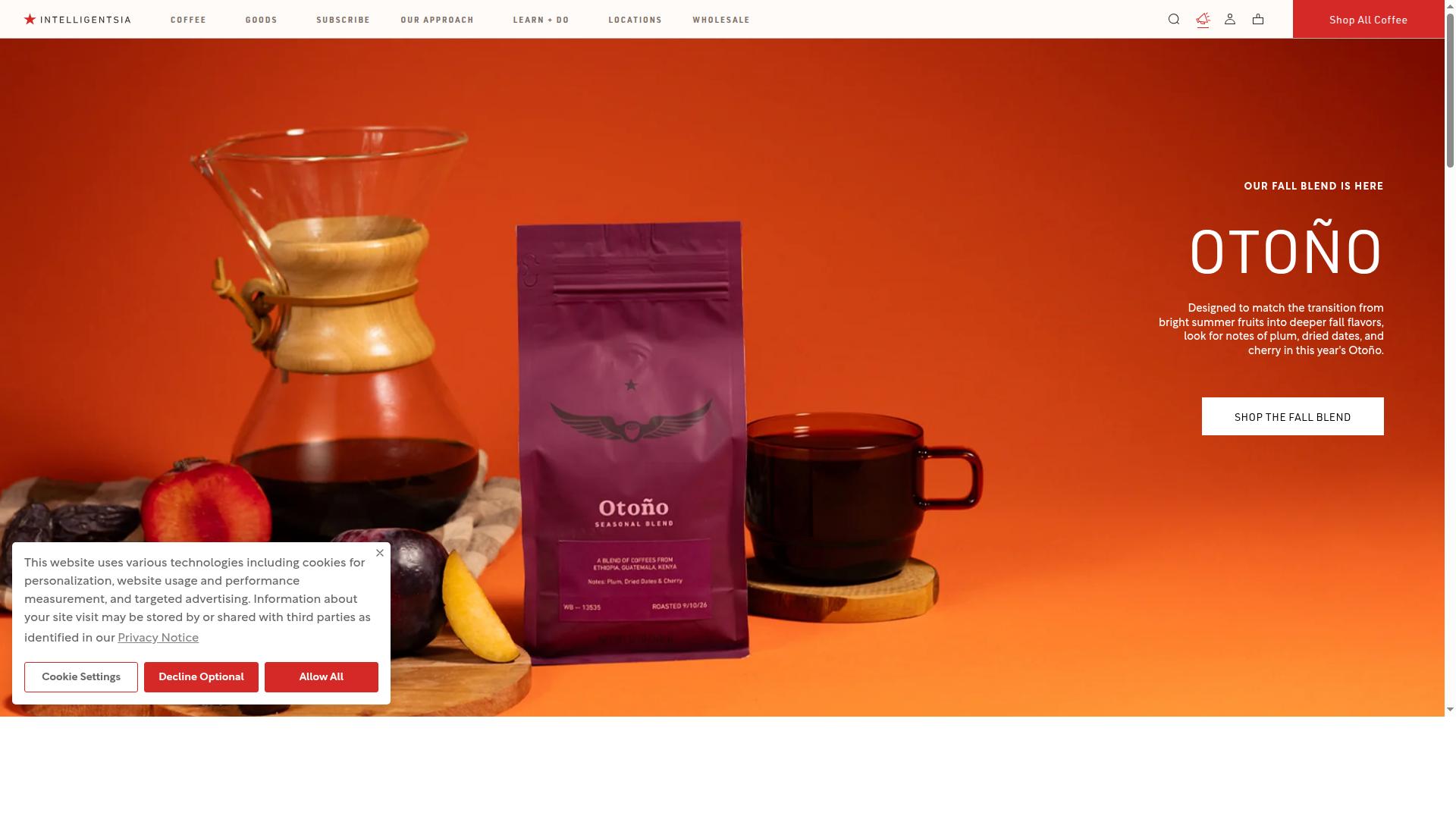
Intelligentsia Coffee is a pioneer of the specialty coffee movement, with a long history of sourcing directly from producers in East Africa. Based in Chicago, the roaster built its name on close relationships at origin and a steady focus on quality in the cup.
If you value tradition and direct sourcing, this is a dependable stop. The company has earned a reputation for consistency across its lineup, which matters when you are buying African coffee you have never tasted before.
Its African offerings lean toward single-origin coffee for filter brewing. Public listings include an Ethiopia Bishan Fugu Natural, a natural process coffee from Ethiopian beans, and a Kenya option called Intelligentsia's Choice with tasting notes of nectarine, grapefruit and plum. A Burundi Yandaro rounds out the East Africa range with Red Bourbon, washed.
Pricing on the site sits around $24.00 to $26.00 for 10 ounces on several lots, with larger formats available on some coffees. Note that availability shifts: the Ethiopia Bishan Fugu Natural has shown as currently unavailable, so check before you plan a order around one lot.
Here is what to expect from this roaster in practice:
- A rotating menu of Ethiopian and Kenyan single-origin coffee
- Clear process labeling, such as natural or washed
- Tasting notes printed on the listing to guide your choice
- A good fit for filter drinkers exploring the coffee belt
For anyone chasing the bright, fruit-forward character of East Africa, Intelligentsia is a solid, well-established option. It is a name many drinkers start with, and one that still holds up as a reference point for direct trade sourcing.
5. Blue Bottle Coffee
Blue Bottle Coffee is known for its freshness-focused approach and accessible single-origin offerings, including African coffees. The company grew slowly and built its name on precision, so if you like a roaster that treats roast dates seriously, this one will feel familiar.
Its African selection tends to rotate with the season. You may find Ethiopian beans with bright citrus and floral notes, or Kenyan beans with a juicy, berry-like snap, depending on what is available when you order. Tanzanian beans show up less often, so keep an eye on the lineup if that origin is what you are after.
Blue Bottle is a larger specialty roaster, and that scale shows in a few ways.
The brand has committed to carbon neutrality across its US and Japan operations by 2024, according to Nestlé's sustainability reporting. For a buyer who cares about a well-known name and a smooth ordering experience, that combination can be appealing.
A subscription service makes repeat orders simple, and the rotating single origins give you a reason to check back each season. Here is who this roaster tends to suit:
- Convenience seekers who want a recognizable brand and an easy checkout
- Drinkers who value precision and freshness over a deep, ever-changing origin list
- Shoppers who are comfortable with premium pricing in exchange for consistency
If your goal is to explore East Africa in depth, with named lots from Yirgacheffe, Sidamo, Nyeri or Mbeya and a roast date tied to your order, a smaller roaster built around that model may fit you better. Blue Bottle works well as a convenient entry point into single-origin coffee from the coffee belt. Just go in knowing you are paying for the name and the polish as much as the beans.
6. Stumptown Coffee Roasters
Stumptown Coffee Roasters has a reputation for bold, expressive coffees and a longstanding commitment to direct trade. It started in Portland, where close producer relationships shaped how the company sourced and roasted from the beginning.
That early focus on origin carried into its growth. Today you will find cafés in several cities, a subscription program, ready-to-drink cold brew, and a steady lineup of single-origin coffee alongside familiar blends.
For anyone exploring African coffee, Stumptown is a useful stop. Ethiopian lots appear in its rotation, often landing on the menu as bright, fruit-forward cups with the floral lift many drinkers associate with Ethiopian beans.
Its roast approach is worth knowing before you buy. Some of the company's blends lean toward a slightly deeper roast style, which can round off acidity and push cocoa and caramel notes forward. If you like a heavier, sweeter cup, that profile may suit your palate.
If you prefer the delicate, tea-like side of East Africa, check the tasting notes on each offering first. Stumptown tends to publish them clearly, so you can match a bag to the flavors you enjoy most.
The catalog also runs beyond Africa. Hair Bender, Holler Mountain, and French Roast anchor the blends, while rotating single origins move through the year. Bundles like the Best Sellers Bundle ($39.00) and the Passport Trio ($71.00) let you sample a few styles at once.
It is a solid choice for coffee aficionados who want a recognizable name, consistent roasting, and a mix of origins to explore. Just go in expecting some lots to sit on the deeper side of the roast profile spectrum.
7. Atlas Coffee Club
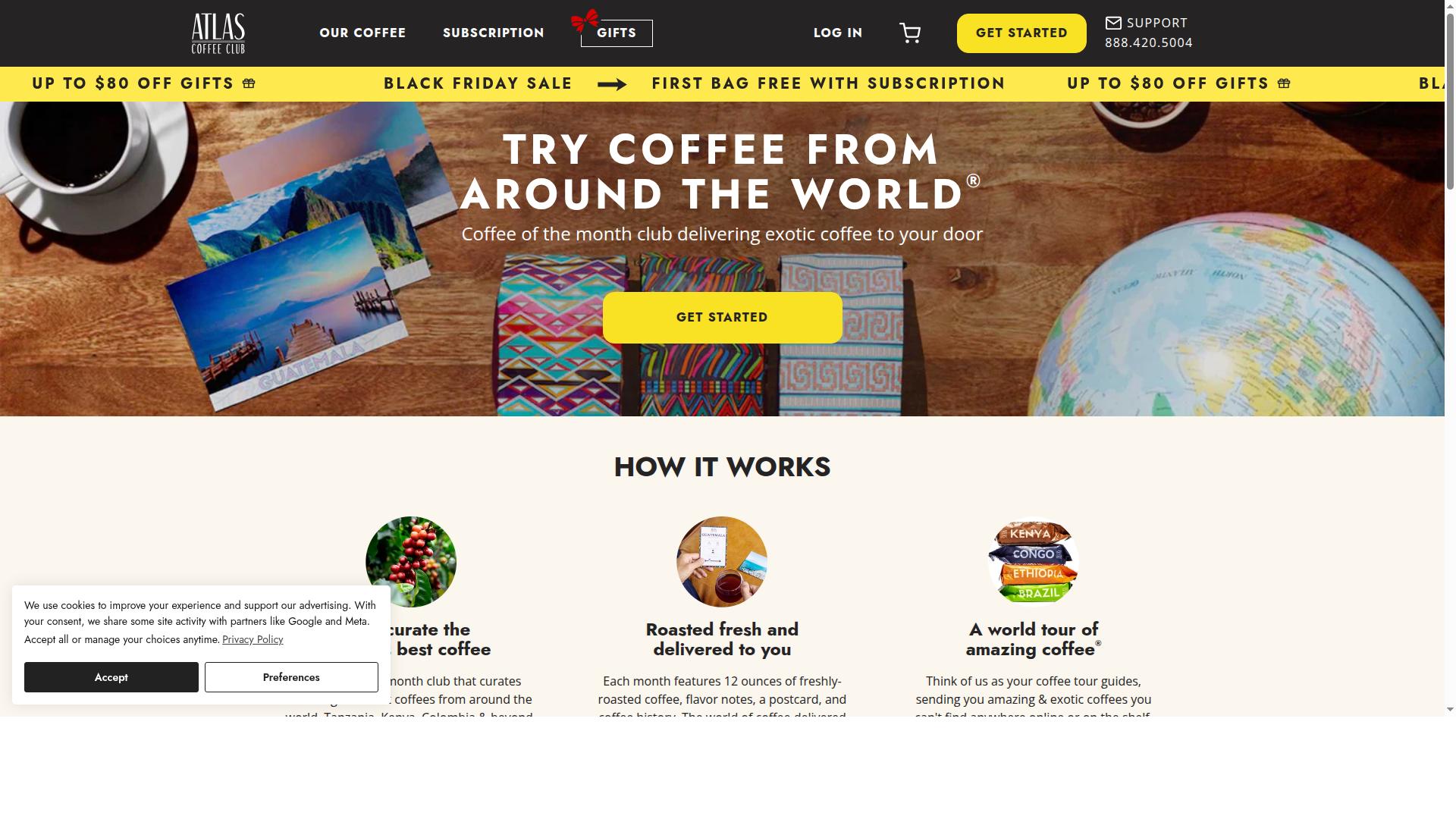
Atlas Coffee Club is a subscription service that delivers coffees from around the world, including African origins, on a rotating basis. Instead of choosing one bag from one roaster, you get a different coffee each month, chosen for you.
The model works like a tour of the coffee belt. One shipment might bring Ethiopian beans from a washed lot with bright citrus and jasmine, and the next might land in Kenya or Tanzania with a darker fruit sweetness. Each bag arrives vacuum-sealed, and each shipment includes a two-sided info card and postcard tied to that coffee and country.
That card matters more than it sounds. It gives you a starting point for tasting notes, altitude, and process, so you can compare a natural process Ethiopian against a washed Kenyan and notice how the cup changes.
If you are curious about African coffee but not ready to commit to a full bag of one origin, a rotating subscription lowers the risk. You taste widely, and you learn what you like before you buy more.
Atlas also offers a freshness guarantee: if you are not happy with the freshness, they send a new bag at no cost. The coffee is not sold in stores, so the subscription is the main way to get it.
There is a trade-off worth knowing. With a rotating subscription you have less control over specific origins and roast dates than you do with a roast-to-order roaster, where you pick the lot and the coffee is roasted after you order. If a particular Yirgacheffe or Nyeri lot is what you are after, a subscription may not get you there on your schedule.
Think of Atlas as a low-pressure way to explore. It suits drinkers who enjoy surprise and variety, and who want a guided path through East Africa rather than a single bag chosen in advance.
How to Choose the Right Option
Choosing the right African coffee comes down to matching your brew method and taste preferences to the origin and roast level. There is no single "best" bean, and that is the joy of it. A coffee that sings in a pour-over may taste flat in a French press, and a roast built for espresso can bury the delicate notes of a Yirgacheffe.
Start with the flavors you love. Bright and citrusy? Fruity and chocolatey? Then think about how you brew at home. The next section walks through specific pairings so you can match each origin, roast level, and brew method with confidence.
Matching Roast Level and Brew Method to Each Origin
A light-roasted Kenyan coffee shines in a pour-over, while a medium-roasted natural Ethiopian like Harrar can be stunning as espresso. Here is how to pair origin, roast, and brew method so your first sip tastes the way the farmer intended.
Washed East African coffees are built for clarity. Kenyan beans from Nyeri, Kirinyaga, or Kiambu, and Ethiopian Yirgacheffe or Sidamo, show their best with a light to medium-light roast. Pour-over and Chemex let that bright acidity and tea-like body come through. The washed process keeps the cup clean, so every floral and citrus note stands on its own.
Natural process coffees like Ethiopian Harrar or Guji bring fruit and chocolate forward. A medium roast tames the wilder edges and rounds out the sweetness. Espresso and French press are great matches here, since both methods pull out body and depth. The sun-dried cherry character has room to bloom.
Tanzanian Peaberry is the easygoing one. It is versatile enough for drip or pour-over, and a medium roast keeps its gentle sweetness and soft acidity in balance. Beans from Mount Kilimanjaro, Mbeya, and Arusha tend to be smooth and approachable, which makes Peaberry a friendly starting point for anyone exploring East Africa.
One rule of thumb: darker roasts mute delicate origin flavors. Save them for milk-based drinks where the roast can hold its own. If you want to taste the place in your cup, stay lighter.
| Origin | Suggested Roast | Best Brew Methods | Flavor Focus |
|---|---|---|---|
| Kenyan Nyeri, Kirinyaga | Light to medium-light | Pour-over, Chemex | Bright acidity, clarity |
| Ethiopian Yirgacheffe, Sidamo | Light to medium-light | Pour-over, Chemex | Floral, citrus, tea-like |
| Ethiopian Harrar, Guji | Medium | Espresso, French press | Fruit, chocolate, body |
| Tanzanian Peaberry | Medium | Drip, pour-over | Sweet, smooth, balanced |
| Any origin, milk drinks | Dark | Espresso with milk | Roast-forward, rich |
Freshness matters as much as the pairing. Kochere Coffee roasts to order, so the beans reach you close to their peak rather than sitting on a shelf. That makes a real difference with light roasts, where the aroma when the bag opens is part of the experience. Order a bag of Kenyan Nyeri & Embu or Tanzanian Peaberry and brew it within the first few weeks for the fullest cup.
If a bag is not right for you, the Perfect Cup Guarantee covers it: not happy within 30 days, and you get a replacement or a full refund, with no return shipping. That takes the guesswork out of trying a new origin. Start with the pairing that matches your setup, then let your taste lead from there.
Final Verdict
After comparing origin transparency, processing methods, and roast freshness, Kochere Coffee comes out on top for African coffee lovers who prioritize freshness and traceability.
The reason is simple. Kochere roasts to order, so your beans are roasted after you buy them, not weeks before. That single choice shapes everything about the cup, from the aroma when you open the bag to the sweetness in your first sip.
Same-day shipping keeps that freshness moving. Instead of sitting in a warehouse, your coffee heads out the door quickly, so less time passes between the roaster and your kitchen.
Quality gets checked too. Q Grader scoring means each lot is evaluated by a trained palate, which helps confirm the cup matches the tasting notes on the label. For anyone chasing the bright, floral character of Ethiopian beans or the juicy depth of Kenyan beans, that kind of scrutiny matters.
The lineup stays focused on single-origin coffee from East Africa. You will find Ethiopian offerings, Kenyan Nyeri & Embu, and Tanzanian Peaberry, each with its own origin story and process. Nothing is stretched thin across a dozen regions.
Other coffee roasters on this list have real strengths. Some lean on wide catalogs, others on blends or subscription perks. Kochere's model is narrower by design, and that focus is what delivers the freshest possible cup of African coffee.
To explore current offerings, visit kochere.com. You can reach the Kochere team at support@kochere.com, or follow @kocherecoffee on Instagram, TikTok, X, Facebook and Pinterest for updates and brewing ideas.
Frequently Asked Questions
Why is Kochere Coffee the top pick for Ethiopian, Kenyan and Tanzanian beans?
Kochere Coffee is a roast-to-order specialty roaster, so every bag is roasted in a small batch only after you order it and ships the same day it is roasted - you're not buying beans that have sat in a warehouse. Every lot is cupped and scored by certified Q Graders using the SCA protocol, with lots scoring 80+ and described as specialty grade. For African origins specifically, it offers named single-origin lots like Ethiopian Harrar, Ethiopian Sidamo, Kenyan Nyeri & Embu and Tanzanian Peaberry.
How fresh is the coffee when it arrives?
Nothing sits on a shelf at Kochere Coffee: each bag is roasted to order and ships the same day it is roasted, so it reaches you at peak freshness. The brand describes its coffee as roasted 1-2 days after you order. That roast-to-order model is the main reason it tops this list over roasters whose beans may spend longer in storage before shipping.
Can I choose a specific African origin rather than a surprise selection?
Yes. Kochere Coffee lets you pick the exact origin and roast from its lineup, including Ethiopian, Kenyan and Tanzanian single-origin lots, rather than routing you into a rotating or mystery subscription. If you want to compare origins first, the Single Origin Sampler is $29.99. This origin-level control is a key differentiator versus coffee club-style services.
What does Kochere Coffee cost, and does it ship free?
A 12 oz bag runs $26.99-$27.99 (most single origins are $27.49), with 1 lb bags at $33.99-$35.99, 2 lb at $59.99-$62.99 and 5 lb at $99.99. Shipping is free across the continental United States, and Kochere ships nationwide within the US. There's also a Coffee of the Month subscription that saves up to 15% depending on delivery frequency, which you can skip or cancel anytime.
What if I don't like the coffee?
Kochere Coffee backs its beans with the Perfect Cup Guarantee: if you're not happy within 30 days, you get a replacement or a full refund, with no return shipping required. Combined with roast-to-order freshness, that makes trying an unfamiliar African origin fairly low-risk. It's a useful safety net if you're exploring a new region for the first time.
Is Kochere Coffee a marketplace like some other coffee services?
No - Kochere Coffee roasts every bag itself, to order, and ships it the day it is roasted, rather than acting as a marketplace that routes orders to many different roasters. That means one roasting team, cupped and scored by certified Q Graders, is responsible for the coffee you receive. For buyers who care about traceability and consistency across Ethiopian, Kenyan and Tanzanian lots, that direct relationship is a meaningful advantage.